









Introduction
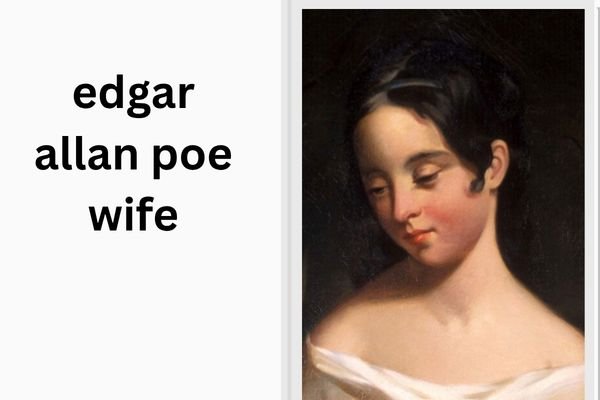
Edgar Allan Poe’s wife was Virginia Eliza Clemm, an American woman born on August 15, 1822, in Baltimore, Maryland. Edgar Allan Poe is one of America’s most famous writers, known for dark, mysterious works like “The Raven,” “The Tell-Tale Heart,” and “The Fall of the House of Usher.” When people search for edgar allan poe wife, they’re usually looking for the story of Virginia Clemm — a woman who was not only his spouse but also his first cousin. This article covers her early life, her relationship with Poe, their marriage, and the lasting mark she left on his writing, using only documented historical facts.
Who Is Virginia Eliza Clemm?
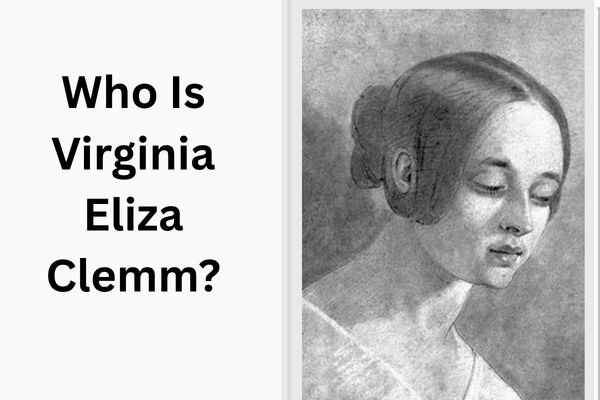
Virginia Eliza Clemm was born on August 15, 1822, in Baltimore, Maryland. She was the daughter of Maria Clemm, who was Edgar Allan Poe’s aunt — making Virginia and Poe first cousins. Her father, William Clemm Jr., died when she was young, leaving her mother to raise her largely on her own during a period of financial hardship.
Virginia grew up in a close-knit but poor household. Poe moved in with Maria Clemm and Virginia in Baltimore in the early 1830s, after leaving the U.S. Army and struggling to support himself as a writer. Living together as an extended family unit brought Poe and his young cousin into daily contact, and their bond grew over the following years.
There is no record of formal schooling for Virginia beyond a basic education typical for girls of her class and era. She reportedly enjoyed music and singing, and by most contemporary accounts, she was cheerful, affectionate, and devoted to both her mother and her cousin-turned-husband. Little independent documentation of her personal ambitions survives, since most historical records from this period focus on Poe himself.
Virginia Clemm’s Life With Poe
Virginia did not have a separate professional career; her life was closely tied to supporting Poe’s literary work and household. She is remembered historically for the role she played in his personal life and as a muse for several of his poems.
Scholars and biographers have long noted parallels between Virginia and the delicate, often dying young women who appear throughout Poe’s poetry, including “Annabel Lee,” “Ulalume,” and “Eulalie.” Whether these poems were written directly about her is debated among historians, but the timing of Virginia’s prolonged illness and Poe’s shifting poetic themes has led many scholars to draw a connection.
Poe himself struggled financially for most of his career, working as an editor and critic for various magazines while publishing his own stories and poems. Virginia and her mother, Maria Clemm, supported the household during Poe’s financial ups and downs; Maria in particular took in sewing work and managed the family’s meager finances. There is no verified net worth associated with Virginia, as she held no independent income or estate separate from Poe’s.
How Did Poe and Virginia Meet?
Poe and Virginia did not “meet” in the traditional sense — they were cousins who had known each other since Virginia’s childhood. Poe first lived near the Clemm family in Baltimore in the early 1830s while trying to rebuild his life after resigning from West Point and losing financial support from his foster father, John Allan.
By 1833, Poe had moved in with Maria Clemm and her children, including young Virginia, sharing a small home in Baltimore. Over the next few years, Poe grew emotionally attached to both his aunt and his cousin, referring to Maria as “Muddy” (a term of endearment) and eventually deciding to marry Virginia.
Historical records show Poe applied for a marriage license in September 1835, when Virginia was 13 years old. Some biographers note a private ceremony may have taken place around this time, though the more widely documented and public wedding occurred the following year. There was no traditional engagement period as understood today; the decision was largely a practical one, keeping the small family unit together as Poe’s career took him to different cities for work.
Marriage & Wedding Details
Edgar Allan Poe and Virginia Clemm were married on May 16, 1836, in Richmond, Virginia. Poe was 27 years old; Virginia was 13. The wedding was witnessed by a small group that included Maria Clemm. A marriage bond from the time reportedly listed Virginia’s age as 21, likely to avoid legal complications, though her actual birth records confirm she was 13 at the time of the ceremony.
Marriages between first cousins, and marriages involving very young brides, were more socially accepted in some parts of 19th-century America than they are today, though the practice still drew criticism even at the time. The couple settled into a modest household with Maria Clemm, who continued to live with them throughout their marriage, managing domestic duties as Poe pursued his writing and editing career.
Children & Family Life
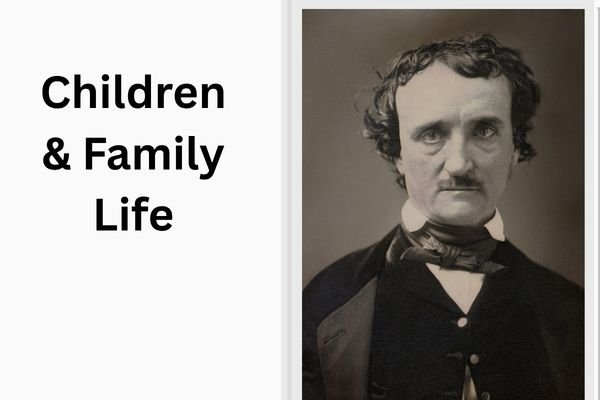
Edgar Allan Poe and Virginia Clemm had no children together. Their household instead centered around the three of them — Poe, Virginia, and Virginia’s mother, Maria Clemm — who moved between cities including Philadelphia and New York as Poe took on different editing jobs.
By most surviving letters and accounts from friends, the couple shared a warm and affectionate relationship, with Poe often expressing tenderness toward Virginia in his personal correspondence. Their family life was frequently disrupted by financial strain and, later, by Virginia’s declining health.
In January 1842, Virginia showed the first signs of tuberculosis while singing at the piano, when she suddenly began coughing blood. She lived with the illness for five more years, a period marked by repeated health crises that deeply affected Poe and shaped much of his later writing.
Virginia Clemm’s Legacy Today
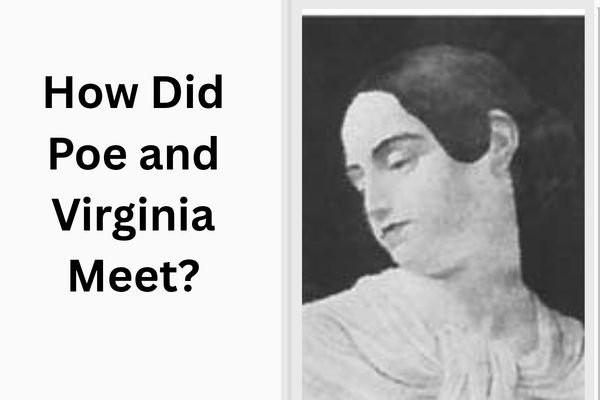
Virginia Clemm lived before the era of photography was widespread, and no social media or public persona exists for her in the way we think of public figures today. The only known image of her is a watercolor portrait painted shortly after her death, along with one possible daguerreotype taken near the end of her life. Her legacy today lives on primarily through literary scholarship, museum exhibits (including the Edgar Allan Poe Cottage in the Bronx, New York, where she died), and the enduring speculation about her influence on Poe’s poetry.
Quick Facts
| Detail | Info |
|---|---|
| Full Name | Virginia Eliza Clemm Poe |
| Date of Birth | August 15, 1822 |
| Date of Death | January 30, 1847 |
| Nationality | American |
| Profession | No independent career; managed household with mother Maria Clemm |
| Married to | Edgar Allan Poe |
| Marriage Year | 1836 (Richmond, Virginia) |
| Children | None |
| Net Worth | Not applicable / no independent estate on record |
FAQ Section
Q: What is Edgar Allan Poe’s wife’s name?
A: Poe’s wife was named Virginia Eliza Clemm. She was also his first cousin, being the daughter of his aunt Maria Clemm.
Q: How old was Virginia Clemm when she married Poe?
A: Virginia was 13 years old when she married Poe in 1836; he was 27 at the time. Their marriage bond listed her age as 21, though historical birth records confirm she was actually 13.
Q: What did Virginia Clemm do for a living?
A: Virginia did not hold a professional career. She managed the household alongside her mother, Maria Clemm, while Poe worked as a writer and magazine editor.
Q: When did Poe and Virginia get married?
A: They were married on May 16, 1836, in Richmond, Virginia, in a small ceremony witnessed by close family.
Q: Did Edgar Allan Poe and Virginia Clemm have children?
A: No, the couple did not have any children. Their household instead included Virginia’s mother, Maria Clemm, who lived with them throughout their marriage.
Conclusion
Virginia Eliza Clemm remains one of the most discussed figures connected to Edgar Allan Poe’s life and work. As Poe’s wife and first cousin, her short life, prolonged illness, and death at age 24 left a visible imprint on some of his most haunting poetry. While historical records about her personal ambitions are limited, her role in Poe’s household and creative life is well documented. Understanding Edgar Allan Poe’s wife helps explain the emotional undercurrents in much of his most famous writing, and her story continues to draw interest from literary historians and Poe enthusiasts alike.